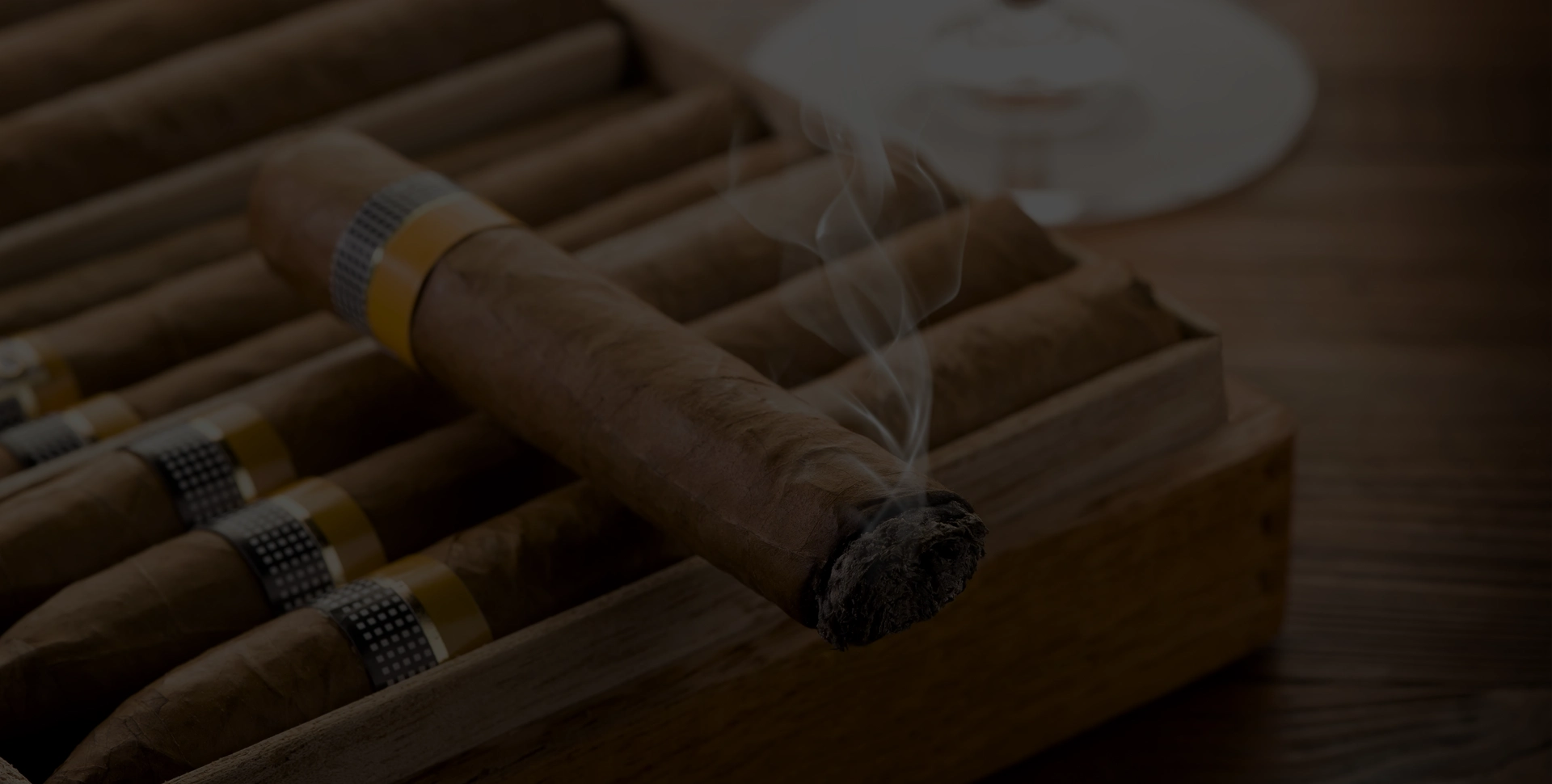
The craftsmanship behind premium hand rolled cigars
Long before reaching the palate, cultivated tobacco leaves undergo extensive tobacco fermentation and aging. Skilled artisans shape these fermented leaves into premium hand rolled cigars, creating tightly bound structures designed for an optimal smoking experience.
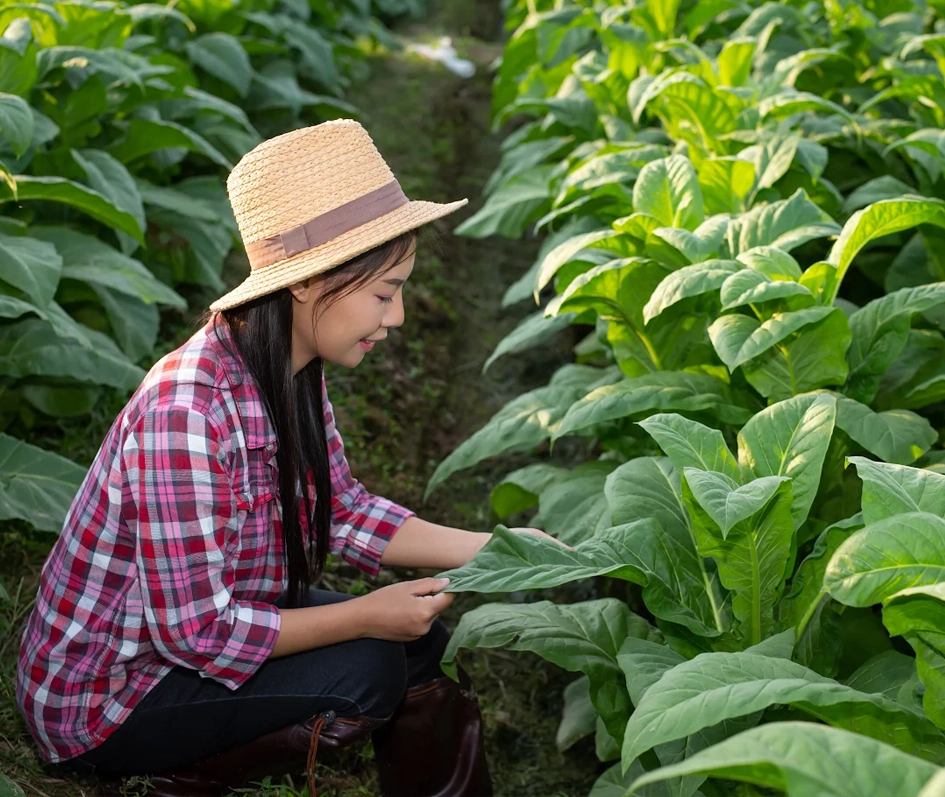
Terroir influence on tobacco cultivation and maturation
Soil composition shapes the foundational character of each tobacco harvest. Volcanic minerals impart robust pepper notes, while sandy coastal soils yield milder, sweeter profiles. Climate variations determine leaf thickness, directing growers toward shade cultivation for delicate wrapper leaves or sun exposure for greater intensity.
Beyond mere geography, curing barns regulate moisture levels throughout tobacco curing. Air drying reduces ammonia compounds, allowing natural sugars within the leaves to develop complex aromatic layers during extended storage.
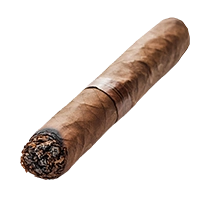
Architectural variations in shapes and wrapper classifications
A cylindrical body influences combustion speed and internal smoking temperature. Thicker ring gauges produce cooler draws and voluminous smoke, whereas slender cigar shapes concentrate heat and deliver immediate pungency. The outermost wrapper leaf completes the cigar structure and contributes substantially to its overall flavor profile.
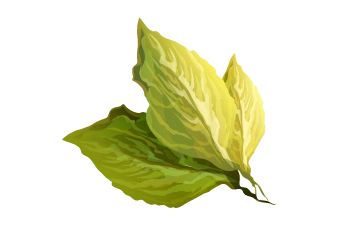
Claro leaves processed under protective shade canopies
These golden brown Claro wrappers offer subtle grassy notes and a smooth creamy texture.
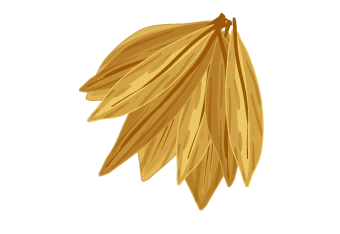
Colorado wrappers featuring reddish hues and oils
Extended sun exposure gives Colorado wrappers rich caramel sweetness with moderate cedar wood spice.
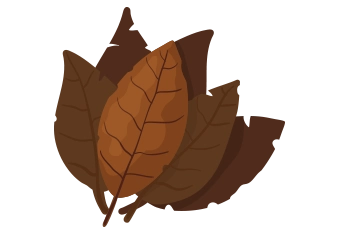
Maduro processing through intensive heat and moisture
Prolonged Maduro fermentation darkens the wrapper toward a chocolate tone while producing heavy cocoa and roasted aromas.
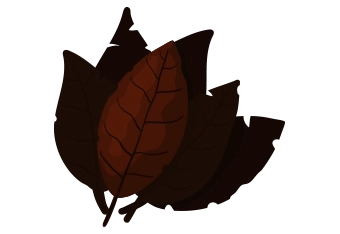
Oscuro variations achieving maximum darkness and texture
Oscuro leaves harvested from the highest plant levels develop a rough texture and intense peppery strength.

Aromatic progression throughout the primary tasting phases
Sensory perception changes markedly from cigar ignition to the final inch. The initial draws awaken dormant oils and establish the baseline flavor intensity. As the slow burn line advances, heat interacts with binder tobacco, unlocking volatile compounds that coat the palate with nuanced characteristics.

Earthy foundations resembling damp forest grounds
Earthy mineral tones ground the overall aromatic bouquet firmly.

Spicy kicks activating the upper palate
White pepper notes tingle across the upper palate during the early combustion stage.

Woody notes reflecting cedar storage environments
Dry oak and sweet cedar notes emerge near the middle of the smoke.

Floral hints offering delicate aromatic finishes
Subtle botanical essences leave a delicate floral finish after a long exhale.

Leather textures adding depth and richness
A distinct leather-like chewiness develops as the smoke temperature steadily rises.

Nutty nuances softening the strong smoke
Roasted almond notes provide balance against harsh acidic components.
Essential tools for preparation and controlled preservation
Proper cigar preparation tools elevate the ritual. A sharp double guillotine blade removes the cigar cap cleanly, preventing unraveled edges that ruin the draw. Meanwhile, butane torches apply odorless flames and toast the cigar foot evenly without transferring chemical residues into the sensitive filler tobacco.
Environmental control remains crucial for cigar storage between purchase and consumption. Cedar-lined wooden boxes equipped with calibrated hygrometers maintain constant humidity levels, limiting essential-oil evaporation while keeping the tobacco leaves supple.
Balancing flavor profiles through complementary beverage pairings
Pairing a full-bodied Maduro with an aged dark spirit amplifies the underlying cocoa notes. Conversely, a delicate Connecticut wrapper pairs naturally with a light roasted afternoon espresso. The beverage cleanses the palate and prepares sensory receptors for the next complex smoke phase.